Learning Outcomes:
i. Students will gain a comprehensive understanding of the distinction between non-renewable and renewable energy sources.
ii. Recognize that non-renewable energy sources are finite and deplete over time, such as fossil fuels and nuclear energy.
iii. Comprehend that renewable energy sources are constantly replenished by natural processes, ensuring a steady supply, such as solar energy, wind energy, and geothermal energy.
iv. Identify examples of non-renewable and renewable energy sources, illustrating their diverse applications.
v. Appreciate the significance of renewable energy sources in addressing the challenges associated with non-renewable energy consumption.
Introduction:
In the continuous pursuit of energy, we encounter two distinct categories: non-renewable and renewable energy sources. Non-renewable energy sources, formed over millions of years, are finite and cannot be replenished at a rate commensurate with human consumption. Renewable energy sources, on the other hand, are constantly replenished by natural processes, offering a sustainable alternative to depleting non-renewable resources.
i. Non-Renewable Energy Sources: A Finite Legacy:
Non-renewable energy sources, such as fossil fuels – coal, oil, and natural gas – and nuclear energy, have played a dominant role in power generation for decades. However, their finite nature and environmental impact raise concerns about long-term sustainability.
Fossil Fuels: Fossil fuels, formed from the remains of ancient plants and animals, release carbon dioxide and other harmful pollutants upon combustion, contributing to air pollution and climate change.
Nuclear Energy: Nuclear energy harnesses the energy released from nuclear reactions, generating electricity without direct greenhouse gas emissions. However, the long-term storage of radioactive waste remains a challenging issue.
ii. Renewable Energy Sources: Powering a Sustainable Future:
Renewable energy sources, continuously replenished by natural processes, offer a promising solution to the limitations of non-renewable energy sources. They provide a cleaner and more sustainable means of generating electricity.
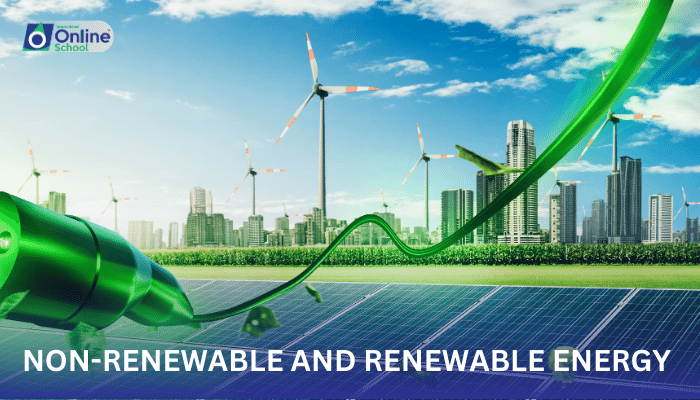
Solar Energy: Solar energy harnesses the radiant power emitted by the sun, converting it into electricity through photovoltaic cells. Solar panels are becoming increasingly popular for residential and industrial applications.
Wind Energy: Wind energy captures the kinetic energy of wind using turbines that generate electricity. Wind farms are being established worldwide, contributing to a cleaner energy mix.
Geothermal Energy: Geothermal energy taps into the heat generated beneath the Earth's surface. This heat can be used to generate electricity directly or to heat buildings and water.
The distinction between non-renewable and renewable energy sources is crucial for understanding the challenges and opportunities in our energy future. Non-renewable energy sources, while providing a significant portion of our current energy needs, face concerns about depletion and environmental impact. Renewable energy sources, on the other hand, offer a sustainable alternative, harnessing the power of nature to meet our energy demands without compromising the environment. By embracing renewable energy technologies and transitioning towards a cleaner energy mix, we can pave the way for a more sustainable and environmentally responsible future.
